How AI is changing asset management careers
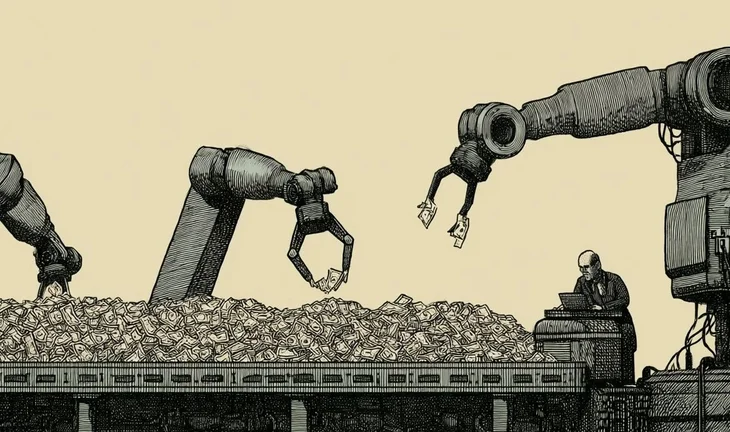
Traditional asset management firms are a slow-moving bunch; it’s only natural in an industry with over $140tn in assets under management. But even asset management firms are catching up on the AI revolution. Slowly.
Click here to join the bubble by eFinancialCareers, our new anonymous community. ✍️
KPMG’s Q2 2026 AI quarterly pulse survey found that just 19% of asset management and private equity firms deployed AI agents, compared to 39% of banks. Similarly, Boston Consulting Group's (BCG’s) 2026 Global Asset Management Report, published in April 2026 noted that asset managers trail banks and fintech firms in AI adoption. Asset management firms were still mostly focused on pilot programs and on “incremental productivity gains”. Rather ominously, BCG said that that pace of change was “no longer sufficient”.
BCG’s report noted that 50% to 65% of “traditional junior-heavy analyst” work could be freed-up by AI, compared to just 5% to 10% of a portfolio manager’s (PM’s) role.
For analyst work, BCG pointed to “data gathering and first-pass modelling” as the areas where AI will make a difference. However, AI can't do a portfolio manager's role because it can't be trusted to make the final decision. “The edge will no longer come from producing analysis but from deciding what to do with it,” BCG says, with PM having to “decide which models to use, how to combine them, and when to challenge them.”
Beyond investment decisions, BCG said AI operations agents specifically can handle execution, while the impact on technologists is well-documented – AI agents can write code, it is good but not great, and needs to be handheld a lot.
The fear within the industry of AI’s potential is well-felt, or at least well-recognised. A director-tier respondent to our 2026 Compensation & Lifestyle Survey, working for a US asset management firm, said that his manager employed “intimidation tactics” to “do more with less”, including threatening to replace him with AI.
T. Rowe Price, which had $1.9tn at the end of Q2 2026, is a good example of the conservatism of the industry. At its Q2 2026 investor call, CEO Rob Sharps noted that the firm was only just now moving beyond “isolated use cases” and seeking to implement AI more directly into its workflows. Nonetheless, Sharps said that the firm had some 130 “solutions” deployed across the firm, with over 70% associate adoption.
AI is also becoming part of asset management's core offering, too. BlackRock, which runs portfolio management software Aladdin, has introduced a copilot to the program that allows its clients to better pull data and insights.
As AI changes asset management jobs, developmental milestones may be missed out. Writing in March 2026, Jeremy Leung, a T. Rowe Price AI solutions manager and former UBS portfolio manager, said the early years of an analysts' career are an important learning experience. This time is spent, "reading hundreds of filings, updating endless models, listening to management teams quarter after quarter" said Leung. This is exactly what AI will do. Analysts may be less well rounded as a result
Have a confidential story, tip, or comment you’d like to share? Contact: +44 7537 182250 (SMS, WhatsApp or voicemail). Telegram: @SarahButcher. Signal: sarahbutcher.22 Click here to fill in our anonymous form, or email editortips@efinancialcareers.com.
Bear with us if you leave a comment at the bottom of this article: comments are moderated intermittently by human beings. Sometimes these humans might be asleep, or away from their desks, so it may take a while for your comment to appear. You must take sole responsibility for comments you post on this site. We will take reasonable steps to weed out anything that we consider to be offensive or inappropriate.